9 Best Vegan Protein Bars in 2025, Tested & Reviewed
Bars can be a convenient way to help get enough protein as a vegan, but after trying a few pretty gross vegan protein bars, I set out to find the best ones.
I was hoping to find at least one that had a solid amount of protein, was low in sugar, tasted good, and didn’t cost too much.
So I spent months collecting and testing vegan protein bars that had good reviews or were recommended by other vegans. I did a similar thing to find the best vegan protein powder if you’re interested.
I developed a testing process that was as fair as I could come up with to score each bar so that I could find the best overall bars, and I’ll show you pictures of the bars along with my thoughts here.
How I (Fairly) Tested Each Bar
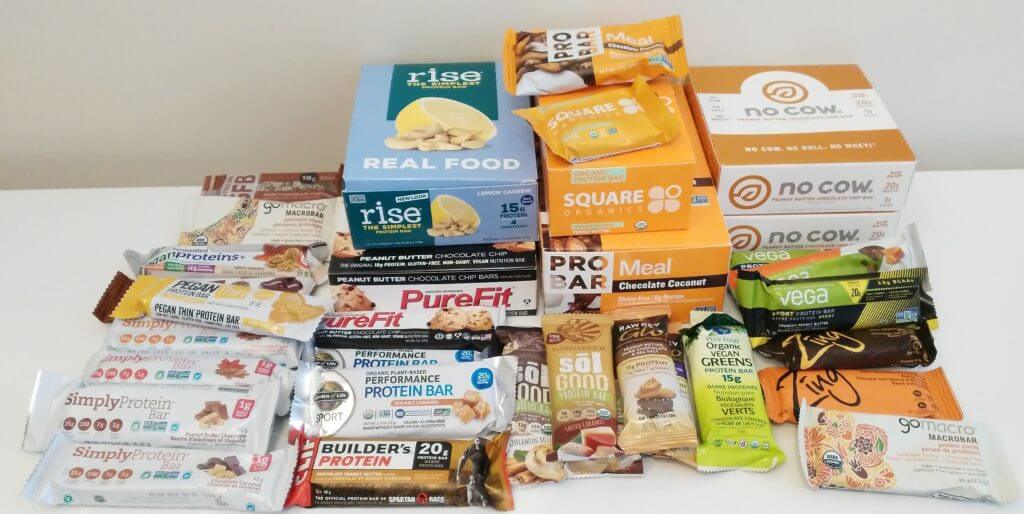 After buying the bars, I needed a way to test them, ideally with as little bias as possible.
First, I identified the 3 most important parts of a good protein bar and scored them out of 10 (where a higher score is always better):
- Protein content – Based on the percent of calories from protein. Low sugar bars score well in this category.
- Taste – Self-explanatory. Will depend on the flavor you try (I mainly tried to stick to peanut butter or chocolate, as they’re pretty common).
- Cost per 10g of protein – All vegan protein bars are fairly expensive, but some more than others. I wanted to find bars that were provided value for their price.
I created a simple formula to calculate both protein content scores and cost scores to remove bias.
The scores are relative to the best in each category, so a 10 means that it’s the best you’ll find for a vegan diet.
Taste is subjective of course, but I tried to be as consistent as possible. If you look at the individual reviews lower down on the page, I describe why I decided on each taste score, and include a picture of each bar so you can get an idea of what it would taste like.
Finally, think of the scores as grades. A 7/10 (or 70%) is like a “B”, it’s about average for each category.
Vegan Protein Bar Comparison Table
The data in the comparison table below is a summary of all my testing.
Note that since palm oil is a controversial ingredient among vegans, I’ve marked every bar that contains palm oil with an asterisk (*) besides its name. It’s worth mentioning that all the bars with palm oil on this list claim to use sustainable palm oil.
The table above should help you narrow down your options.
I’ve gone over each bar in a bit more detail below (in order from best to worst overall). There’s a link to a detailed review for each bar at the end of each section, in which I dive into the calculations and ingredients.
The 20 Best Vegan Protein Bars
Again, I’ve put an asterisk (*) next to the titles of bars that contain palm products in case you want to avoid those entirely.
1. Simply Bar (27/30)
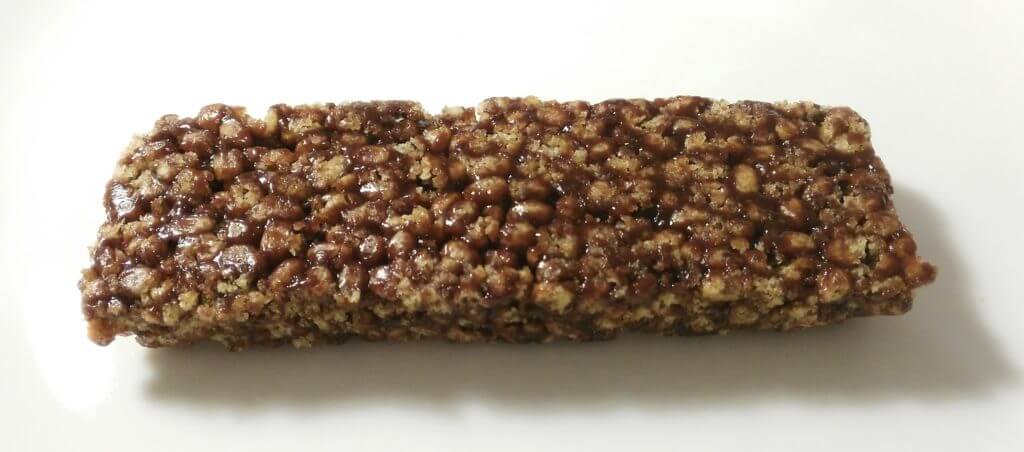
150 calories | 15g protein | 16g carbs (1g sugar, 7g fiber)
Pros
- Great taste
- Protein to calorie ratio is as good as it gets
- Can often buy in bulk for a cheap price per bar
Cons
- Texture is relatively hard, which some people may not enjoy (not me though, I like the crunch!)
Simply Bar is tied for the top score overall with 2 other bars, but since it doesn’t contain palm (and the other 2 do), I think it will appeal to more people and deserves to be listed first.
Note that Simply Bar is the brand, and I’m specifically referring to the “snack bars” product line, which happen to be protein bars.
If I had to pick one, I’d say that the Simply Bar is the best vegan protein bar. With a short and simple ingredients list, it’s among the healthiest vegan protein bars as well.
Here’s a quick glimpse at its score breakdown:
- Protein content (10/10) – Exactly 40% of the total calories come from protein (mainly soy protein isolate) and it’s low in sugar. This is a very high protein content for a bar, only a few beat it (42.1% is the highest).
- Taste score (9/10) – Has a very crispy texture, a lot like a rice krispie square (just a lot drier). The only issue I had with it was that the flavor could be a bit stronger, but it’s still very good. It comes in a variety of flavors, and I tested multiple varieties (peanut butter chocolate, maple pecan, lemon coconut).
- Cost (8/10) – The bars are quite cheap, especially if you can find them at Costco. But since they have less protein than others, the cost per 10 grams isn’t perfect.
Depending on where you buy them, you may be able to find the variety pack so that you can try out multiple flavors. Otherwise, my favorite was peanut butter chocolate of the ones I tested.
2. Clif Builder’s Protein Bar (27/30)*
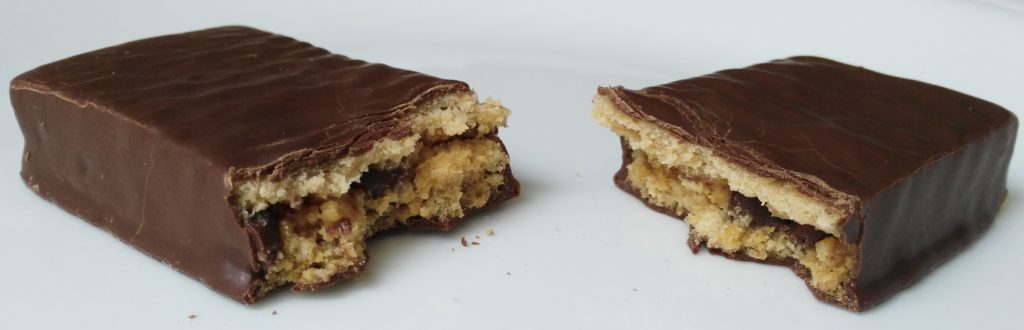
270 calories | 20g protein | 29g carbs (21g sugar, 2g fiber)
Pros
- Taste is amazing
- Relatively cheap per bar
Cons
- Protein to calorie ratio is a bit on the low side
- High in sugar
I didn’t order the other 2 top bars in any particular order. Clif Builder’s bars are easy to find in store, has palm oil, and is soy protein based.
Most Clif bars are vegan, including these protein bars. Just be careful that you don’t buy Clif’s whey protein bars by accident.
Here’s a breakdown of its scores:
- Protein content (7/10) – Of the 270 calories, just under 30% come from protein, which is about average for the bars I reviewed.
- Taste score (10/10) – This protein bar was easy to rate, it tastes like a candy bar.
- Cost (10/10) – Not only are the bars on the cheap end individually, but they also contain a lot of protein, so they are actually the cheapest overall bar per 10g of protein.
Of the top 3, it’s the best tasting bar, but has the lowest protein content. This is due to the high sugar content (contains beet syrup, organic brown rice syrup, and organic cane syrup), which makes it okay as a post-workout bar, but I don’t know if I’d want to eat it otherwise.
3. No Cow Bars (27/30)*
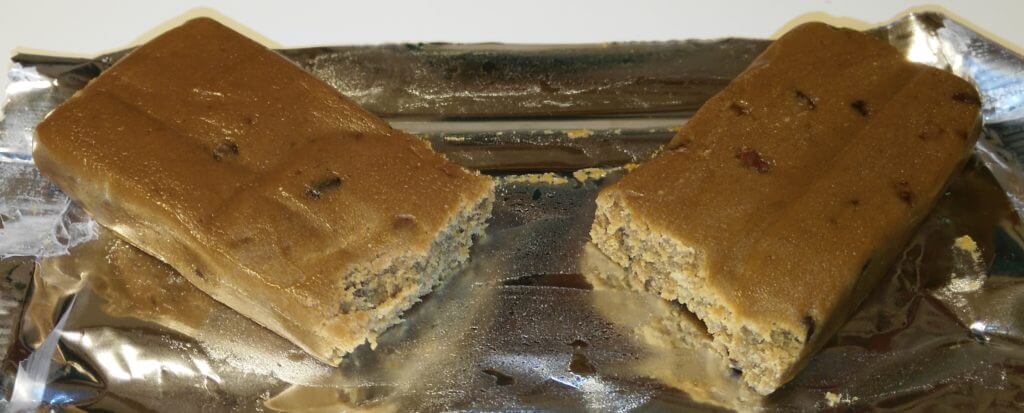
210 calories | 21g protein | 26g carbs (1g sugar, 19g fiber)
Pros
- Great protein to calorie ratio
- Minimal sugar
- High fiber
Cons
- Taste is good, but a bit chalky
The third “first place” protein bar also has palm oil, but is a lot “healthier” than the Clif bars (above).
There’s a ton of fiber, and minimal sugar, so minimal net carbs. Instead, they contain a mix of sugar alcohols (erythritol) and artificial sweeteners (stevia).
No Cow Bars are also soy-free, with a mix of brown rice and pea protein isolate.
Here’s why it scored so well:
- Protein content (10/10) – With 40% of its calories from protein, No Cow bars have a relatively high protein content and get a perfect protein content score.
- Taste score (8/10) – The flavor is great, but it’s one of the chalkiest bars I tried. It’s still very good overall, but didn’t deserve a perfect score in my opinion.
- Cost (9/10) – The bars are reasonably priced, and with a high amount of protein per bar, they are one of the most cost-effective bars to buy.
It’s sold in a ton of different flavors beyond the standard peanut butter chocolate. There’s cookies ‘n cream, birthday cake, and vanilla caramel, and many more, so you can always mix things up.
4. Pegan Bars (26/30)
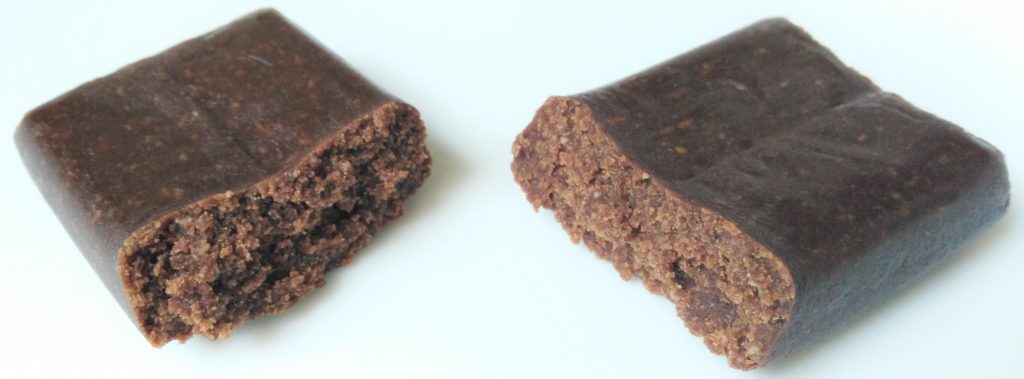
190 calories | 20g protein | 27g carbs (1g sugar, 26g fiber)
Pros
- Highest protein to calorie ratio that I found
- Very high in fiber (low in sugar)
- Soy-free (if you’re avoiding it for some reason)
Cons
- Texture is fairly dry
- Flavor is good, but not great
The Pegan bar is a soy free bar that’s only a point behind the top 3. As the name suggests, it’s both a paleo and vegan bar, the protein comes mainly from sacha inchi (a type of mountain peanut).
It’s not only relatively high in protein, it has a ton of fiber (26 grams of fiber per bar!) and is low in sugar (with no added sugar).
Let’s break down its scores:
- Protein content (10/10) – With 42.1% of its total calories coming from protein, the Pegan bar has the highest protein content of any bar I reviewed. For weight loss, that would technically make it the best.
- Taste score (7/10) – The flavor is decent, but a little off. It’s also fairly dry. Still pretty good overall, just not exactly enjoyable.
- Cost (9/10) – The individual bars aren’t exactly cheap, but when you look at it on a per gram of protein basis, the Pegan bars give a lot of value for your dollar.
5. PROBAR Base Bar (25/30)*
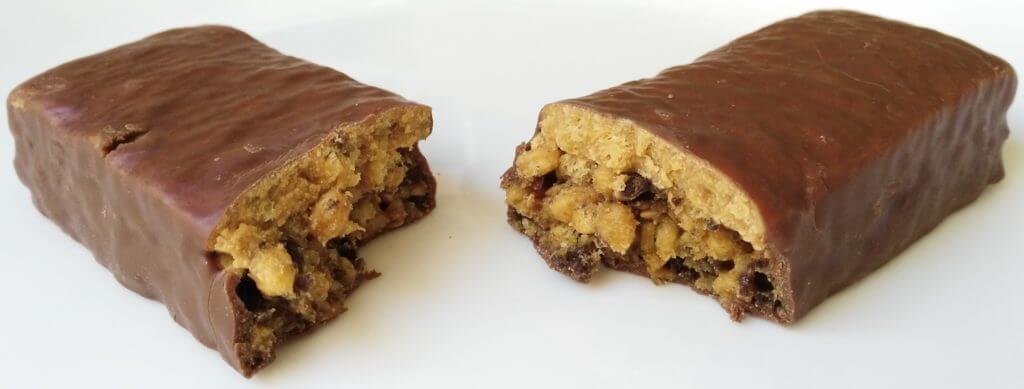
290 calories | 20g protein | 32g carbs (15g sugar, 4g fiber)
Pros
- Amazing taste
- Reasonably good cost
Cons
- Protein to calorie content is just decent
The PROBAR Base protein bar is a certified vegan, gluten-free, mostly organic, soy protein based bar. Note that it contains palm ingredients.
While I gave multiple bars perfect taste scores, I’d probably say that this is the best tasting vegan protein bar overall.
Here’s how it scored:
- Protein content (7/10) – It’s protein content is average, with 27.6% of calories coming from protein.
- Taste score (10/10) – If someone told you this was a regular candy bar (think along the line of Snickers), you’d probably think they were telling the truth.
- Cost (8/10) – The bars themselves are relatively expensive, but like the other top bars, the cost per gram of protein is quite good.
6. PureFit Nutrition Bars (24/30)
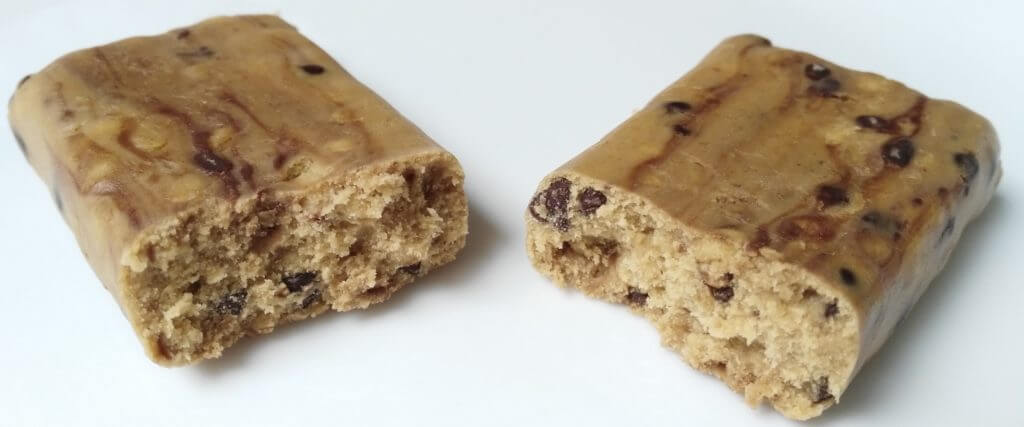
230 calories | 18g protein | 25g carbs (17g sugar, 1g fiber)
Pros
- Flavors were quite good
- Relatively cheap
Cons
- Very high in sugar
While I didn’t specifically look for it, I don’t think most of these protein bars are kosher certified, but these are. They are also gluten and wheat free. Most of the protein comes from soy.
There’s a lot of sugar per bar though, with multiple forms of sugar and syrups (e.g. brown rice syrup, beet syrup, and more) in the ingredients list.
PureFit bars are solid overall, scoring decently in each category:
- Protein content (7/10) – Just over 31% of calories come from protein, which is about average for all bars. There’s quite a bit of added sugar, which hurts the score.
- Taste score (8/10) – The peanut butter flavor is quite good, and there’s a nice bit of crunch. The only issue I had with this bar was that there’s a bit of a chalky paste after each bite that gets stuck on the top of your mouth (like a mix of peanut butter and protein powder).
- Cost (9/10) – These bars are one of the cheaper ones per bar, and still score well when you look at them on a per gram of protein basis. A good option if budget is a big concern.
7. Vega 20g Protein Bar (24/30)*
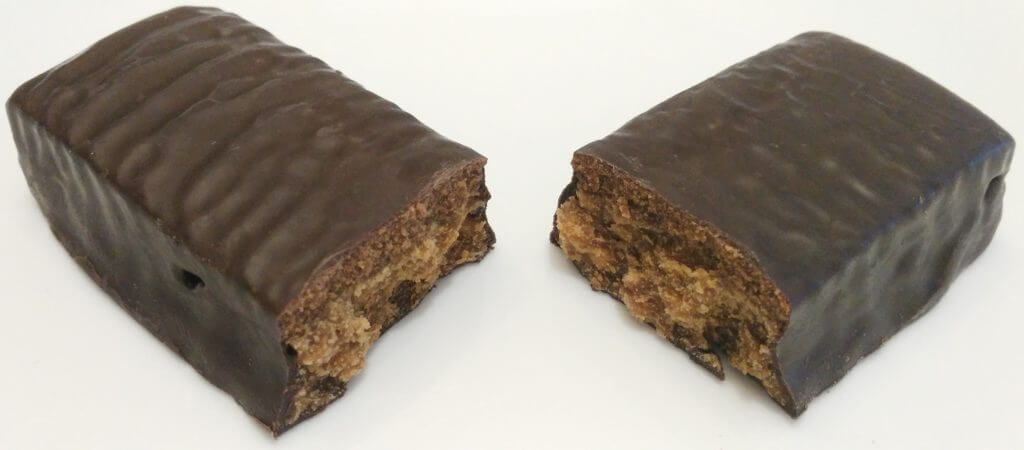
290 calories | 20g protein | 27g carbs (18g sugar, 4g fiber)
Pros
- Amazing taste
- Good mix of pea and rice protein
Cons
- Very high in sugar
Of the 3 Vega bars I tested, this was the best overall. Note that all 3 have palm oil ingredients in them. This bar has a mix of pea and brown rice protein, and a considerable amount of added sugar.
Here’s how it scored:
- Protein content (7/10) – With just under 28% of calories coming from protein, Vega’s 20g bar is right around average.
- Taste score (10/10) – As you would hope for a bar with 18 grams of sugar, it tastes really good, just like a dark chocolate candy bar. You can probably tell just from the picture above.
- Cost – The individual bars are very expensive, but if you look at the cost on a per gram of protein basis, it’s more reasonable, and about average.
8. Vega Sport Protein Bar (23/30)*
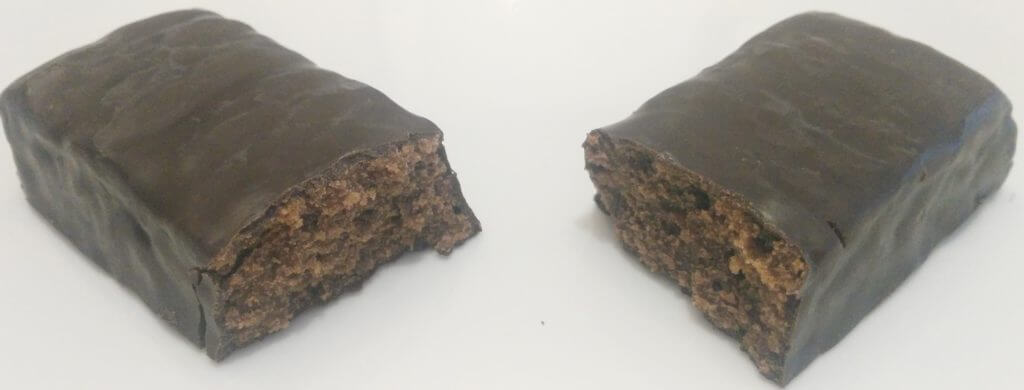
300 calories | 20g protein | 26g carbs (14g sugar, 3g fiber)
Pros
- Great taste
- Pretty good cost per gram of protein
Cons
- Protein content is a bit on the lower side
- Relatively high in sugar
The Vega Sport bar is very similar to the Vega 20g bar, but distinct product lines so I included them as separate bars in my testing.
Again, it has a mixture of brown rice and pea protein, but a bit less sugar (and slightly more calories overall).
It scored almost the same in each category:
- Protein content (6/10) – With a slightly lower protein content (26.7%) than the 20g bar, it scores one point lower.
- Taste score (10/10) – It doesn’t look quite as appetizing as the 20g bar to me, but it tastes almost the same. The Vega Sport bar tastes a lot like a chocolate bar.
- Cost (7/10) – Again, the bar itself is expensive, but since the scoring takes into account the quantity of protein per bar, it does alright.
9. Orgain Organic Protein Bar (22/30)
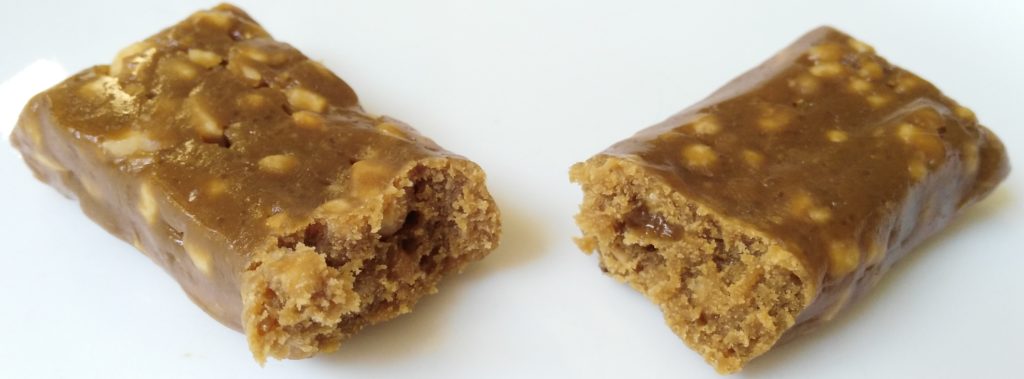
140 calories | 10g protein | 17g carbs (3g sugar, 6g fiber)
Pros
- Low in calories
- Cheap cost per bar
Cons
- Taste is just “good”, not great
- Protein content is average
Orgain’s bar is also tied for the best organic bar. It has a mixture of brown rice and pea protein.
It’s very low in calories and a good low carb vegan protein bar, making it a good option for weight loss. It’s one of the few to be sweetened with a sugar alcohol (erythritol), but be aware that not everyone likes the taste of sugar alcohols.
Here are the highlights:
- Protein content (7/10) – Has a pretty standard 28.6% protein content, not bad or good.
- Taste score (7/10) – Very okay bar, not hard to eat, but not really “good” either. It’s quite doughy with a bit of crunch, with a weak flavor, and some chalkiness.
- Cost (8/10) – These are the cheapest vegan protein bars I tested (on a per bar basis, not per gram of protein), but these bars are very small. It still scores well when you factor in the amount of protein in each bar, but not perfect.
If you’re still reading at this point, maybe none of the bars I reviewed quite fit your particular vegan diet. In that case, consider making your own. You can make substitutions like almond butter for peanut butter in case of further dietary restrictions.
Comments
Post a Comment